Flash is used to create short animations and are used often to enhance a website. This lesson will introduce you to Classic Tween, Motion Tween, and Motion Presets. It will also help you become familiar with the layout of the Flash program.

Tuesday, March 25, 2014
FLASH INTRO!
Designing for the Web
Flash is used to create short animations and are used often to enhance a website. This lesson will introduce you to Classic Tween, Motion Tween, and Motion Presets. It will also help you become familiar with the layout of the Flash program.
Flash is used to create short animations and are used often to enhance a website. This lesson will introduce you to Classic Tween, Motion Tween, and Motion Presets. It will also help you become familiar with the layout of the Flash program.
Monday, March 24, 2014
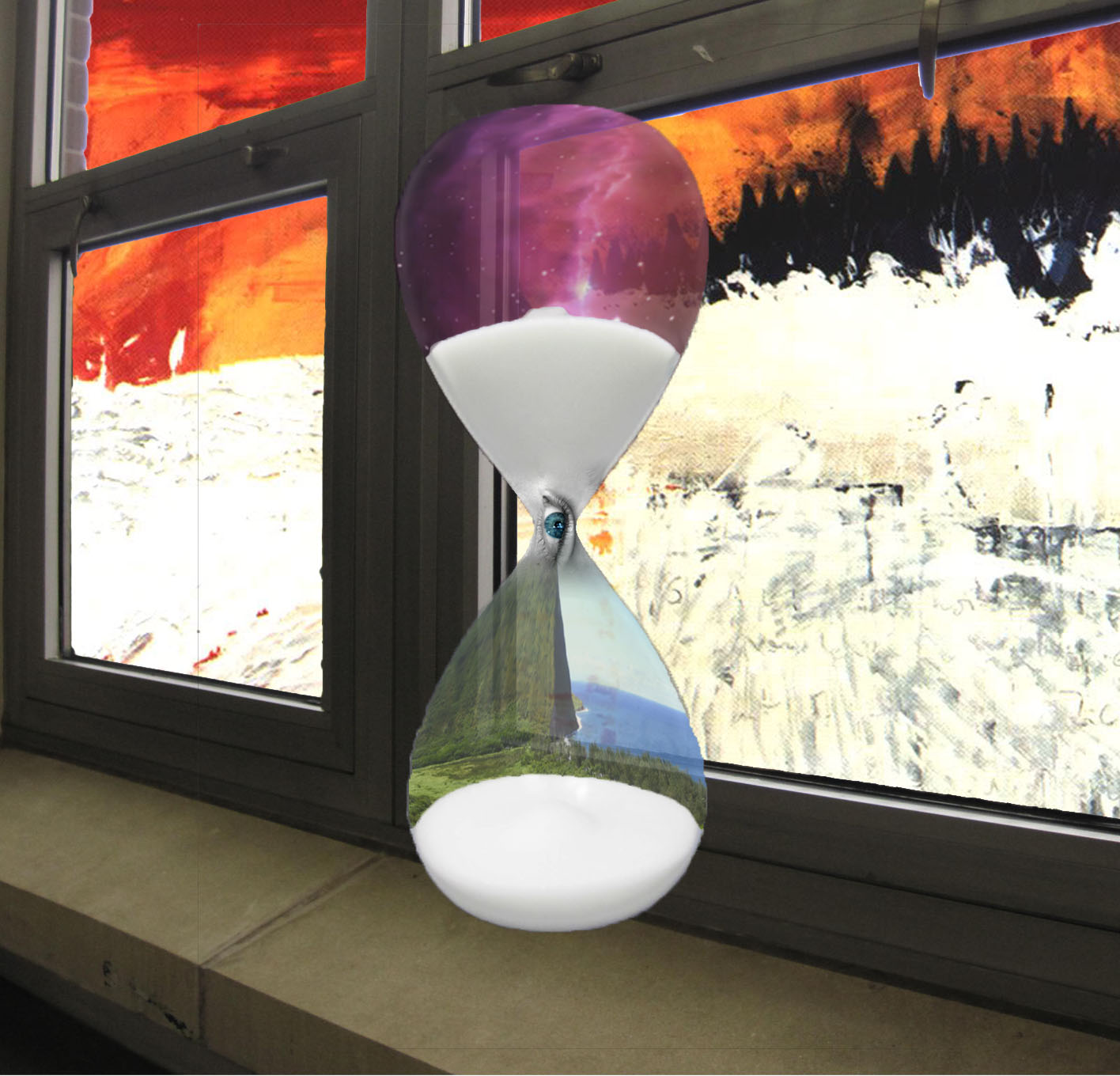
Surrealism Reflection
Designing for the Web
If you have a completed your Surreal work of art in Photoshop complete the
Journal Entry on Surrealism.
Journal Entry on Surrealism.
Thursday, March 20, 2014
Creating an "almost" all white still-life
Advanced Drawing and Painting
Our next challenge will be to paint a still-life that is predominately made up of white objects. You will be focusing on value changes and how value creates the form of an object. View "Painting an Almost White Still-Life" document.
 |
| Link to Eileen Eder's Paintings |
Our next challenge will be to paint a still-life that is predominately made up of white objects. You will be focusing on value changes and how value creates the form of an object. View "Painting an Almost White Still-Life" document.
White|Black Reverse Value Drawing
Drawing and Painting
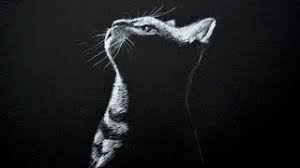
Now that you have worked with a dark value on a light background, lets try the reverse. We will be focusing on how to show core shadows and cast shadows by leaving the paper free of charcoal. This is an extremely difficult exercise because you will want to start with a contour drawing, BUT DONT!
If you do then you may be placing a light value where a dark one should be. It is tricky! Check out this you-tube video showing the process of drawing a cat using only a white charcoal pencil.
Now that you have worked with a dark value on a light background, lets try the reverse. We will be focusing on how to show core shadows and cast shadows by leaving the paper free of charcoal. This is an extremely difficult exercise because you will want to start with a contour drawing, BUT DONT!
If you do then you may be placing a light value where a dark one should be. It is tricky! Check out this you-tube video showing the process of drawing a cat using only a white charcoal pencil.
Artist AWESOME drawing of Selfie
Since we are going to be working on a large mural of people I thought it would be fun to watch an artist creating a fantastic drawing from a photograph (digital).

Monday, March 17, 2014
Drawing Hands!
We will be working on a mural that includes the difficult task of drawing people. People are so unique; hair color, body shape and size, clothing styles and many other characteristics vary from person to person. Hands are no exception. The hands and the face are usually the two features of the figure that are exposed. Today in class and for homework in your sketchbook review the hand tutorials linked here and draw your own hands in a variety of ways for HW due on Friday.

Sunday, March 16, 2014
FLASH!!!
Designing for the Web
Flash is used to create short animations and is used often to enhance a website. To get started in Flash go to FLASH VOCABULARY GAME. First review all the vocabulary words and concepts, then test yourself to see how many you remember.
You should print out your results at the end of the period.
Flash is used to create short animations and is used often to enhance a website. To get started in Flash go to FLASH VOCABULARY GAME. First review all the vocabulary words and concepts, then test yourself to see how many you remember.
You should print out your results at the end of the period.
"Describe" The First Step of Critiquing a Work of Art
Intro to Drawing and Painting
Take a look at Van Gogh's painting of, "Starry Night". Use the checklist below to help you be thorough when describing the look of the painting.
Take a look at Van Gogh's painting of, "Starry Night". Use the checklist below to help you be thorough when describing the look of the painting.
1. Describe what you see. This is the objective (not subjective or personal)
portion of the Art Critique. Objective information or analysis is fact-based where as subjective information is based
on personal opinions, interpretations, points of view, emotions & judgment.
Objective Information involves a
technical description-nothing more.
It should include things like:
ü Artist's name.
ü Title of work.
ü Type of artwork (acrylic, oil, pencil...etc)
ü Subject of the painting (scene).
ü Objects in the painting.
ü First impression. Note the
characteristics of the artwork that first jump out at you.
ü Colors used (complementary, analogous, monochromatic, tints...etc)
ü Shapes, lines and texture.
ü Light saturation.
ü Sensory qualities. Identify the
predominant mood and visual effect.

Subscribe to:
Posts (Atom)